Who Phreesia is best for
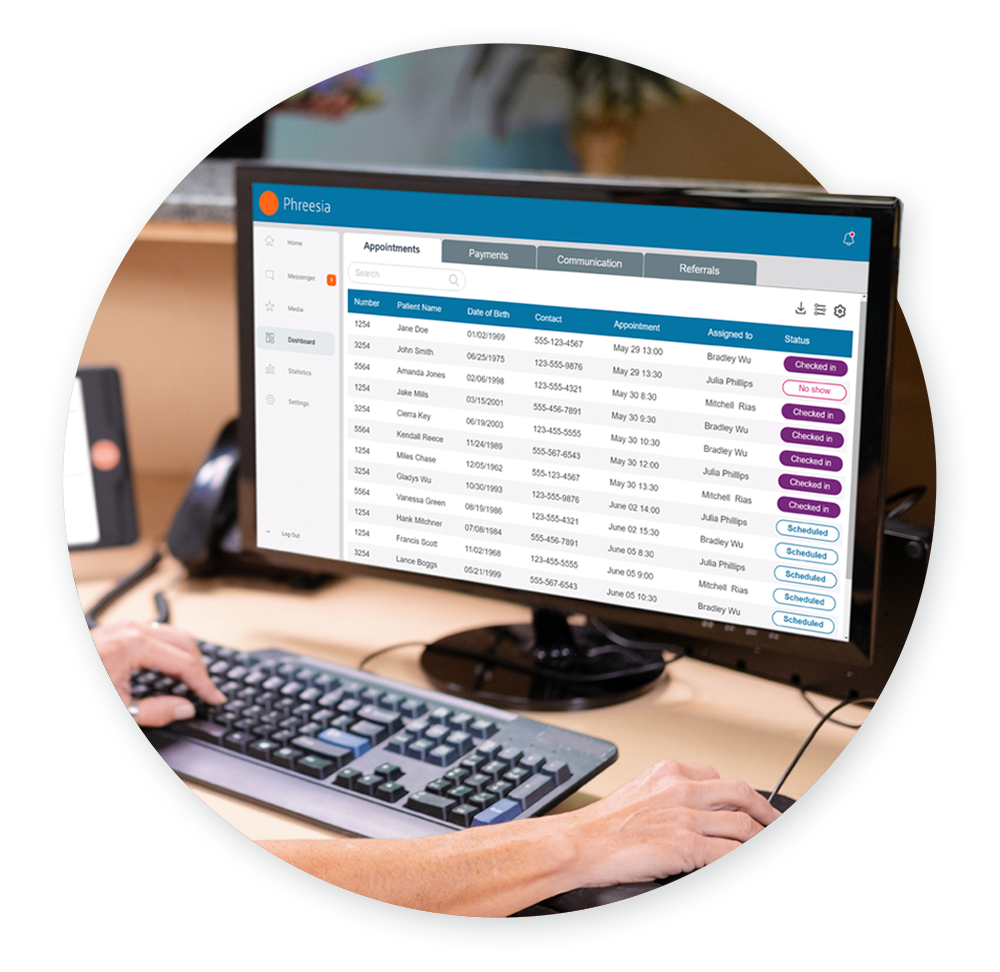
Phreesia covers the work around the visit, from scheduling and registration through check-in, payment and patient communication. It sits alongside your practice management system and EHR rather than replacing them. Founded in 2005 and publicly traded on the NYSE (PHR), Phreesia is a fully remote company with a mailing address in Wilmington, Delaware. It says it serves more than 4,700 healthcare organizations and supports 1 in 6 US patient visits.
Best for
- Independent multi-provider groups that want to cut front-desk paperwork and collect more at check-in
- Specialty practices that want screening questionnaires completed before the visit
- Health systems and enterprise groups standardizing intake across many locations
Not ideal for
- Solo practitioners who only need simple online forms or reminders
- Practices that want a fully published, self-serve price list
- Practices whose PM or EHR has no supported integration path
Phreesia pros and cons
Pros
- Bidirectional integrations with major EHRs and PMs, plus HL7, FHIR, CCD and CSV options
- HITRUST CSF, SOC 2 Type 2, PCI DSS Level 1 and PCI P2PE certified, per the vendor
- Payments built in; Phreesia is a registered payment facilitator
- Phreesia VoiceAI handles inbound and outbound calls for appointments, payments, refills, recall and collections
- Vendor-led implementation; the vendor says most practices go live in as little as six weeks
- Intake platform offered free until spring 2027
Cons
- Pricing after the free period is quote-only
- Sales-led onboarding rather than self-serve signup
- Value depends on a working integration with your PM/EHR
Phreesia pricing
Phreesia's pricing page offers full access to the Phreesia Intake platform at no cost through spring 2027, with standard pricing beginning May 1, 2027 (its FAQ says the free period runs through May 31, 2027). After that, pricing is a custom subscription based on organization size, workflows and products used. Phreesia says its subscription pricing has no surprise fees or per-message charges. The vendor says most practices go live in as little as six weeks, depending on size and setup.
Key features
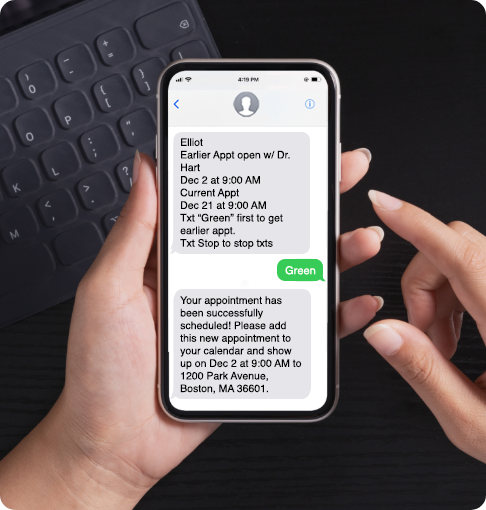
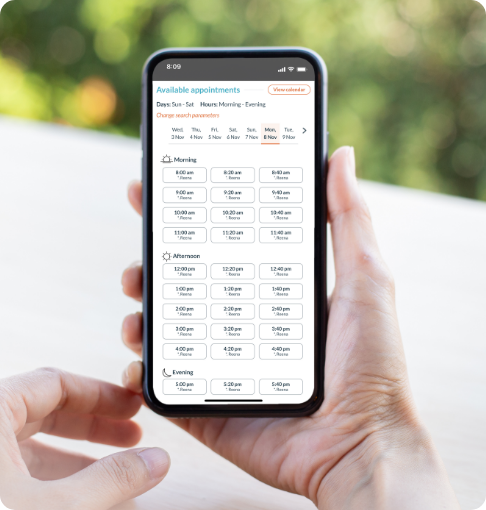
- Scheduling: online appointment requests, patient self-scheduling and automated reminders
- Phreesia Intake: digital registration, intake forms, consents and self check-in on mobile or the PadX tablet
- Insurance verification: real-time eligibility and benefits checks before the visit
- Payments: copay and balance collection at time of service and point-to-point encrypted card readers
- Patient-reported data: screenings and questionnaires completed before the visit
- Phreesia VoiceAI: AI phone agent for inbound and outbound patient calls
- Analytics and reports: check-in volumes, pre-registration completion and consent tracking by location
HIPAA, security and integrations
Phreesia states that it is HITRUST CSF, SOC 2 Type 2 and PCI DSS Level 1 certified, and that it uses PCI-validated point-to-point encryption for card payments. Its public pages do not detail BAA terms; these are handled in the customer contract.
Phreesia says its integrations read and write data in both directions, so registration and demographic updates flow back into the PM/EHR. Its integration page shows Epic, athenahealth, eClinicalWorks, NextGen Healthcare, ModMed, Greenway Health, AdvancedMD, Veradigm, Meditech, Oracle, Azalea Health, Compulink, eMDs, Flatiron Health and Office Practicum. Other systems can connect through HL7, FHIR, CCD or CSV.
Phreesia alternatives
- Luma Health — patient engagement with scheduling, reminders and intake, often chosen by health systems.
- Relatient — self-scheduling, reminders and patient messaging for specialty groups.
- Solutionreach — reminders, two-way texting and recall for smaller practices.
- Weave — phones, texting, forms and payments for small practices.
- Tebra — practice management and EHR with built-in patient intake for small practices.