Who Doxy.me is best for
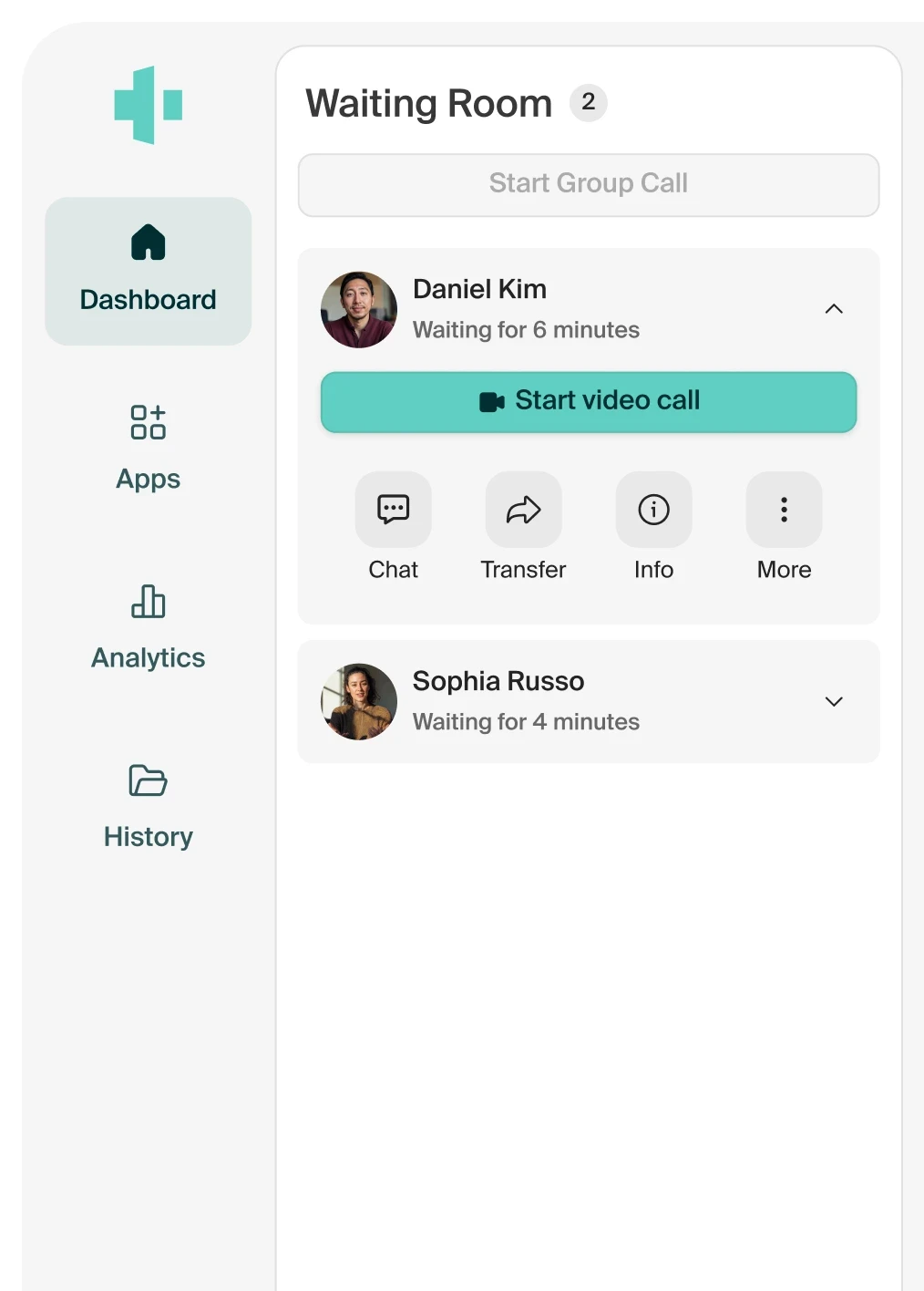
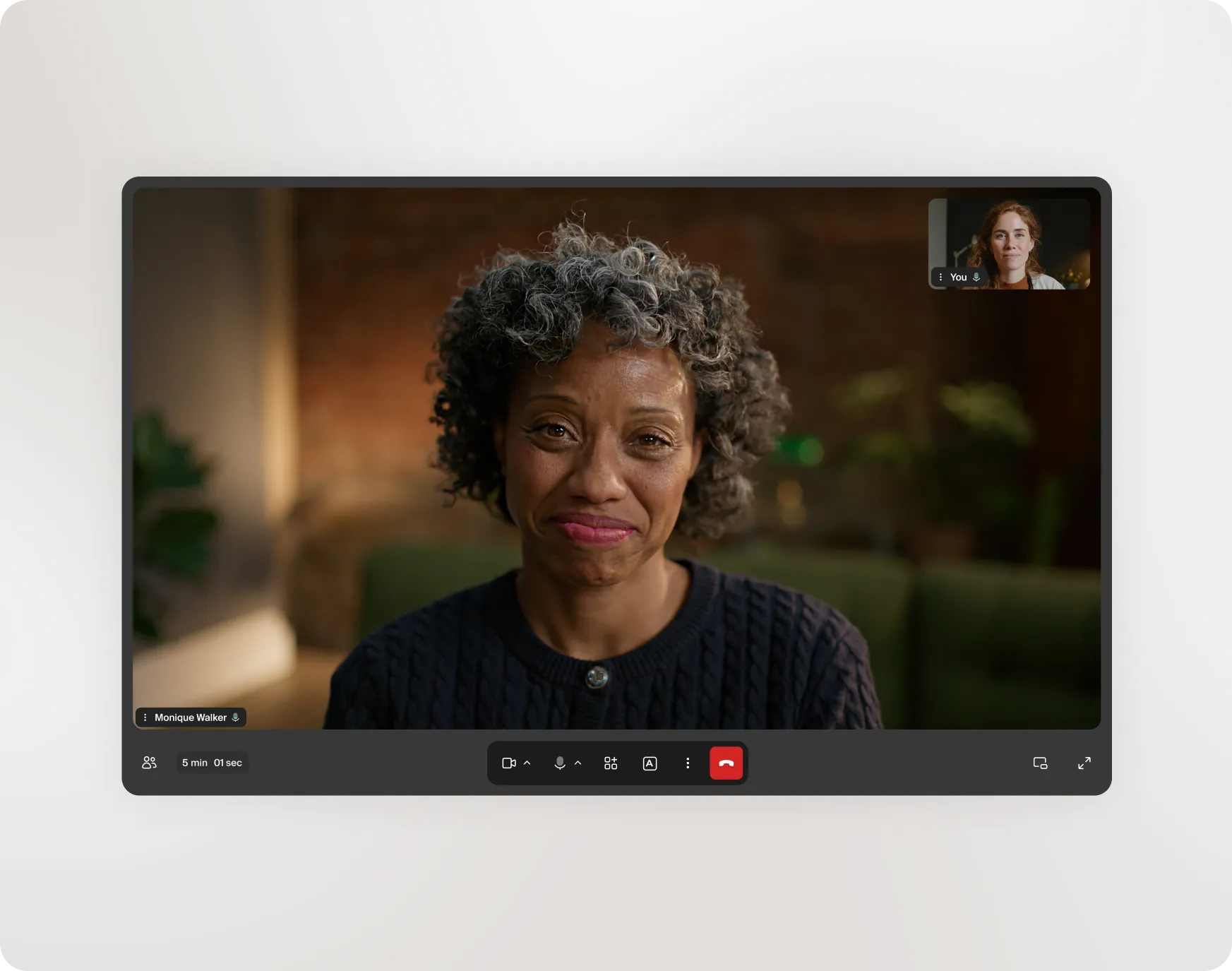
Doxy.me runs entirely in the browser. Patients open the provider's room link, check in to a virtual waiting room and join the call without creating an account or installing an app. Brandon Welch and Dylan Turner started Doxy.me in 2013, and the company says it has no outside investors. Doxy.me says it is trusted by more than 1.8 million providers in over 180 countries.
Best for
- Solo therapists, counselors and physicians who need a free or inexpensive HIPAA-compliant video option
- Small practices whose patients struggle with app downloads or logins
- Clinics that want a virtual waiting room and simple patient queue alongside their existing EHR
- Practices that want a BAA without negotiating an enterprise contract
Not ideal for
- Practices that want telehealth built into the EHR with scheduling, charting and billing in one place
- Organizations that need deep EHR integration or white-label enterprise deployment
- Teams that need group sessions without paying for Premium
Doxy.me pros and cons
Pros
- Free plan with HIPAA-compliant video and a free BAA
- No downloads or patient logins; works from a single URL in a web browser
- Low paid-tier price compared with most telehealth platforms
- Vendor states HIPAA compliance, SOC 2 accreditation, encryption of calls and messages, and SSO for organizations
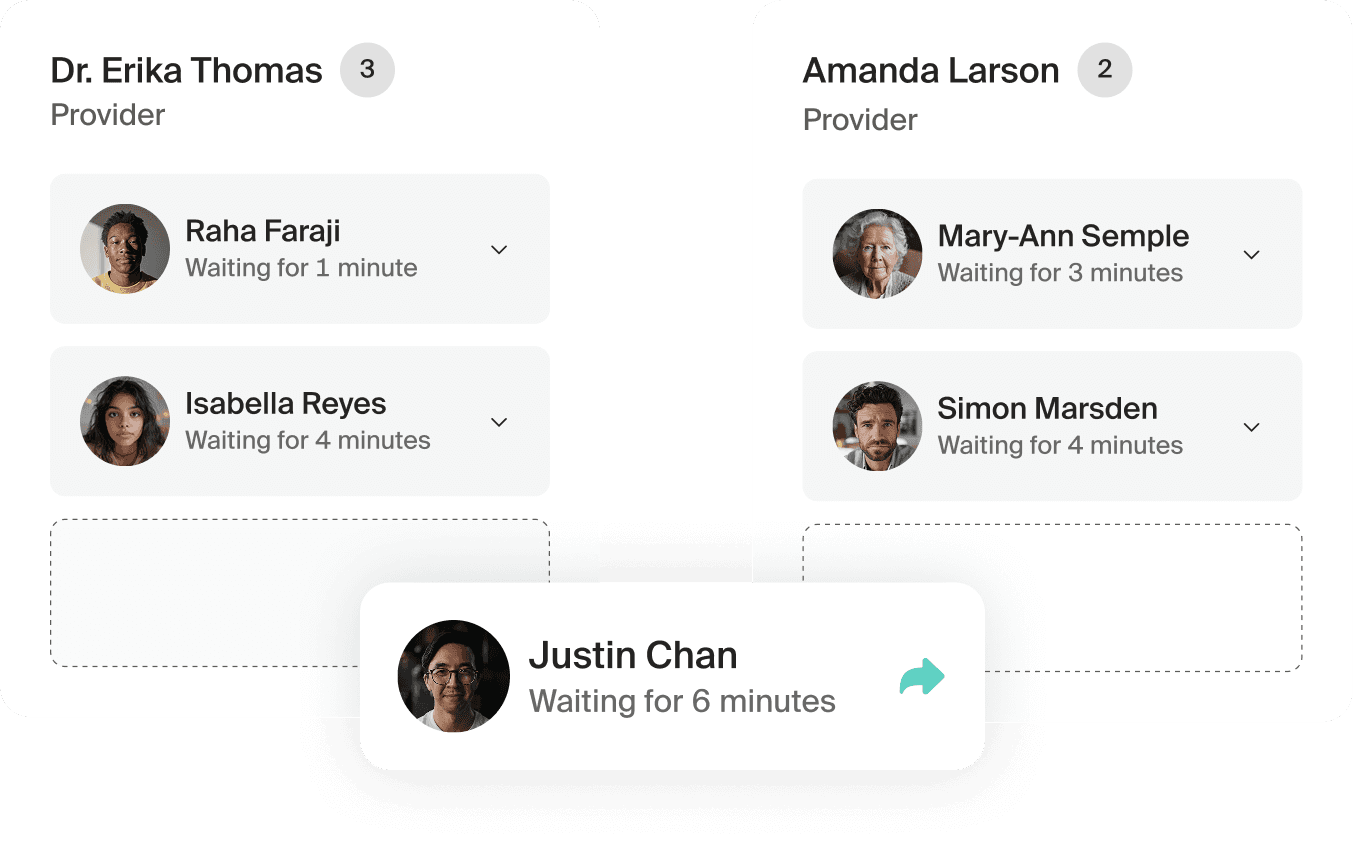
- Paid features include group calls up to 25 participants, screen sharing, custom branding, shared rooms and patient transfer
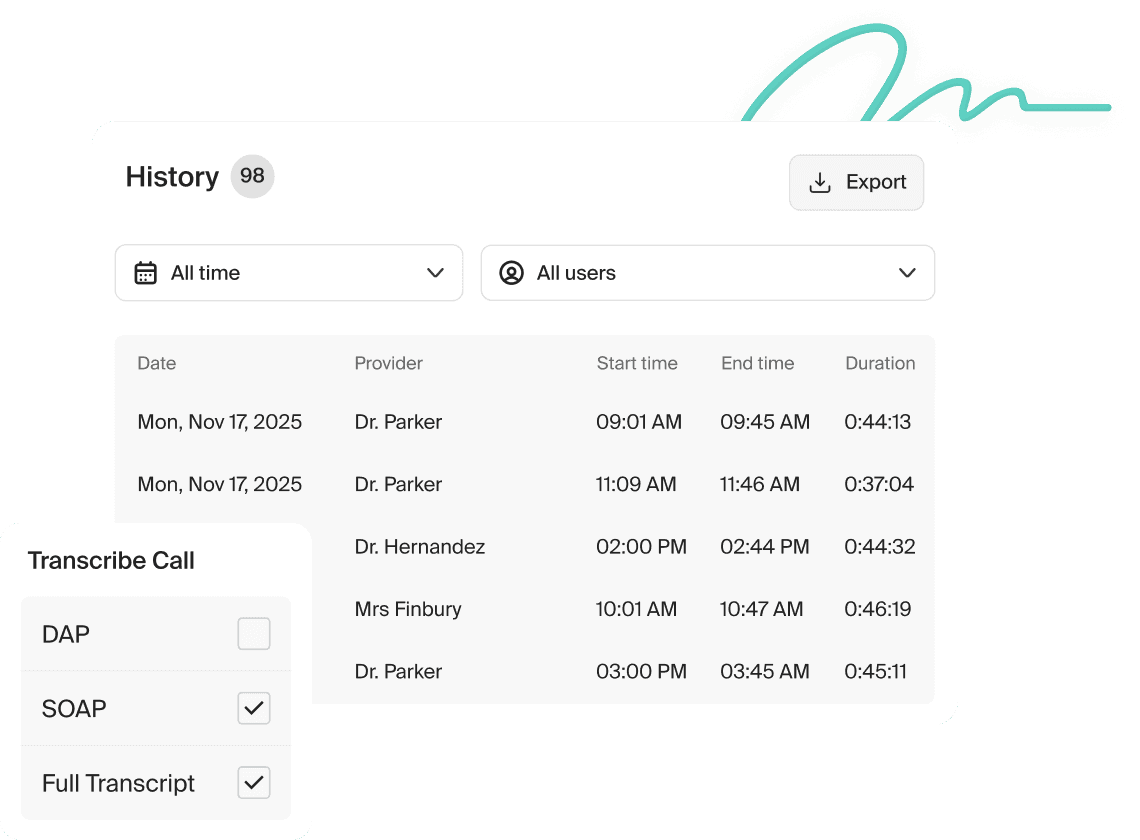
- Documentation add-ons such as session history, SOAP and DAP notes, transcripts and teleconsent
Cons
- Not an EHR or practice management system; notes, scheduling and claims live elsewhere
- Screen sharing, group calls, HD video and clinic admin tools are listed as Premium features
- Doxy.me's pricing page no longer shows older tiers, so reviews citing Professional and Clinic plans are out of date
- Limited native EHR integration compared with telehealth built into an EHR
Doxy.me pricing
As of October 2026 Doxy.me offers a Free plan and a paid Premium plan. Premium is priced per user per month and billed annually, with a free trial that needs no credit card and the option to cancel or downgrade anytime. The pricing page does not display the Premium dollar figure; third-party tracker CostBench lists Premium at about $29 per user per month (an estimate, not a vendor figure), and older reviews list separate Professional and Clinic tiers that the pricing page no longer shows. Larger organizations and nonprofits can contact sales. Confirm the current rate on doxy.me before budgeting.
Key features
- Virtual waiting room with check-in and a patient queue
- Browser-based video with pause, photo capture, picture-in-picture and virtual backgrounds
- Group calls (up to 25 participants on Premium) and screen sharing
- Shared rooms and patient transfer for multi-provider clinics
- Custom branding and custom waiting rooms
- Session history, SOAP and DAP notes, transcripts, assessments and teleconsent
- Roles, permissions and analytics for clinic admins
- A Scribe app for automated note-taking and session summaries
- Business Associate Agreement included
HIPAA, security and integrations
Doxy.me states that it is HIPAA compliant and SOC 2 accredited and that it supports GDPR and CPRA (California) privacy requirements. It says calls, messages and shared files are encrypted, systems are hosted in U.S.-based AWS data centers, organizations can use single sign-on, and admins control access through roles and permissions. It advertises a free business associate agreement, and Premium lists the BAA as included. It does not publish a HITRUST certification.
Doxy.me is a standalone tool rather than an EHR module. It says it works alongside the EHRs you already use: you send or embed your room link, and documentation stays in your EHR or in Doxy.me's notes and session history apps. It does not publish a list of native EHR integrations.
Doxy.me alternatives
- VSee — also has a free plan, with paid tiers that scale to white-label enterprise telehealth.
- Zoom for Healthcare — familiar Zoom video under a BAA, useful if staff already use Zoom, but patients usually need the app.
- Spruce Health — combines video visits with a medical phone system, secure texting and e-fax.
- Amwell — an enterprise virtual care platform for health systems and payers rather than solo clinicians.